
Wildgate Gameplay: What Playing the Game Actually Feels Like
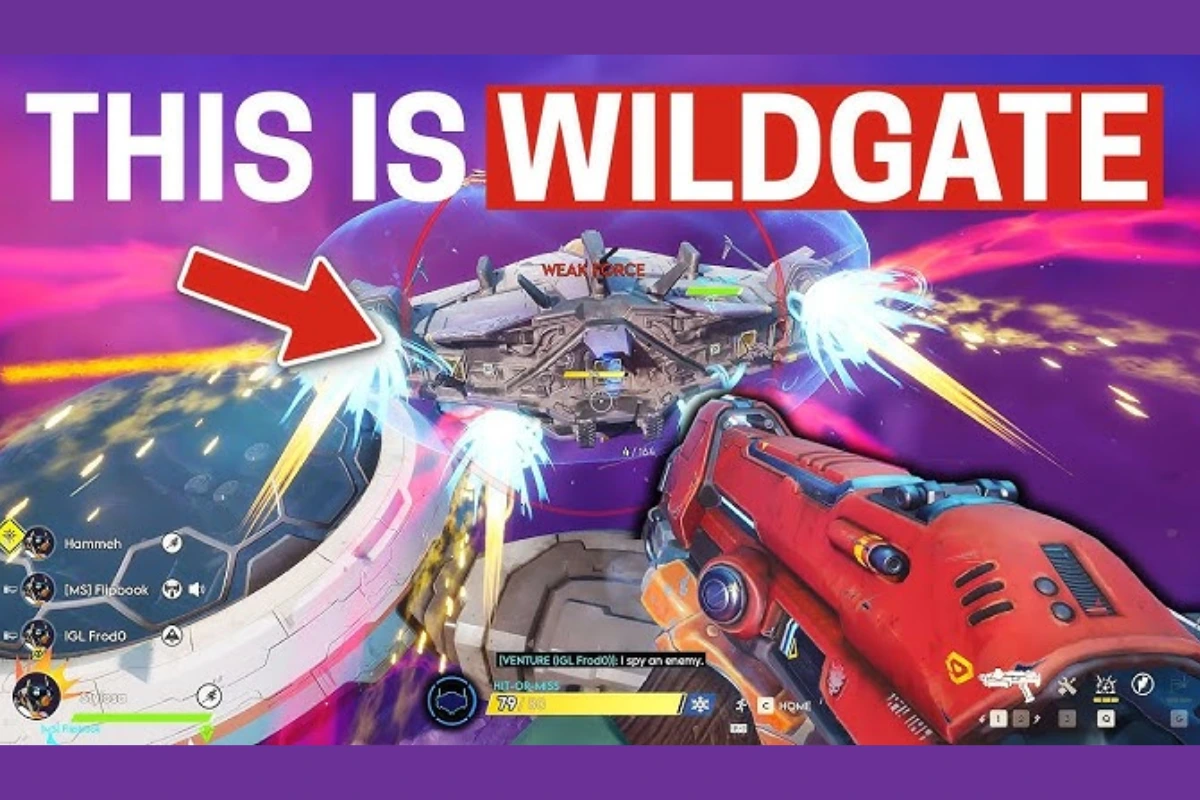
Wildgate is a multiplayer sci-fi action game that focuses on teamwork, exploration, and survival rather than fast reflex shooting alone. When you start playing Wildgate, it becomes clear very quickly that this is not a typical shooter. The game blends PvP combat, PvE threats, and space exploration into one shared experience where every match can play out differently.
The core idea of Wildgate is simple but interesting. Multiple crews enter a dangerous region of space called the Reach. Each crew controls a spaceship and works together to explore ruins, gather loot, upgrade their ship, and survive encounters with enemies and rival crews. The final goal is either escaping with powerful artifacts or eliminating other crews.
Gameplay always begins with players choosing roles within their crew. Each player has a specific job, such as piloting the ship, handling weapons, repairing damage, or exploring abandoned structures. This role-based system is important because success depends heavily on communication and coordination. If one player ignores their role, the entire crew can suffer.
Movement in Wildgate feels smooth and deliberate. Inside ships and space stations, players move in first-person view, using weapons and tools to fight enemies or interact with objects. Outside, zero-gravity movement adds another layer of challenge. You need to manage direction, momentum, and positioning carefully, especially during space combat or boarding actions.
Ship gameplay is one of Wildgate’s strongest features. The ship is not just a vehicle; it is your team’s lifeline. During matches, ships take real damage. Fires can break out, systems can fail, and hull breaches can occur. Players must run around the ship repairing damage while others defend against attackers or steer away from danger.
Combat in Wildgate is slower and more tactical compared to arcade shooters. Gunfights reward positioning and teamwork rather than rushing blindly. Enemies include AI-controlled threats like space creatures and automated defenses, as well as other player crews. PvP encounters often feel tense because losing a fight can cost your crew valuable resources or even end the match.
Exploration plays a big role in the gameplay loop. Scattered across the map are ruins, derelict ships, and alien structures. Crews can dock, explore these locations on foot, and search for loot. These areas often contain environmental dangers, puzzles, or hostile enemies, which keep exploration risky and exciting.
Loot collected during exploration is used to upgrade your ship. You can improve weapons, shields, engines, and utility systems. These upgrades make your crew stronger but also make you a bigger target. Other players can scan ships and decide whether to attack based on how powerful you appear.
One of the most interesting gameplay mechanics in Wildgate is boarding. Crews can attack enemy ships directly by boarding them. This leads to intense close-quarters combat inside cramped ship interiors. Boarding actions can completely turn a match around, especially if you disable key systems or eliminate key players.
Matches in Wildgate do not follow a fixed script. Some matches end quickly due to aggressive PvP. Others become long survival sessions with cautious exploration and minimal combat. This unpredictability keeps gameplay fresh and replayable.
The pacing of Wildgate is slower than many multiplayer games, but that is intentional. The game encourages planning, communication, and patience. Players who enjoy teamwork and strategic decision-making will feel more at home than those who prefer constant action.
Visually, Wildgate focuses on atmosphere rather than flashy effects. Space environments feel vast and dangerous. Interiors are detailed yet functional, enabling players to quickly read situations during combat. Sound design plays a big role too, with alarms, radio chatter, and weapon sounds adding tension.
Wildgate also places importance on player choice. You can decide whether to avoid conflict, hunt other crews, or focus on exploration. There is no single “correct” way to play, which adds depth to the gameplay experience.
For solo-focused players, Wildgate may feel challenging because teamwork is essential. Playing with random players can work, but the game truly shines when played with friends or coordinated teammates. Communication tools are built into the game to support this style of play.
Progression in Wildgate is tied more to player skill and knowledge than grinding. Understanding maps, ship systems, and enemy behavior is more important than raw statistics. This feels rewarding over time.
Overall, Wildgate gameplay stands out because it blends multiple genres into one cohesive experience. It combines shooter mechanics, survival tension, ship management, and exploration into matches that feel unique every time. It is not a game for everyone, but for players who enjoy slow-burn tension, teamwork, and space survival, Wildgate offers something different and memorable.
Also Read: