The Legend of Heroes: Why This Sprawling JRPG Series is a Must-Play
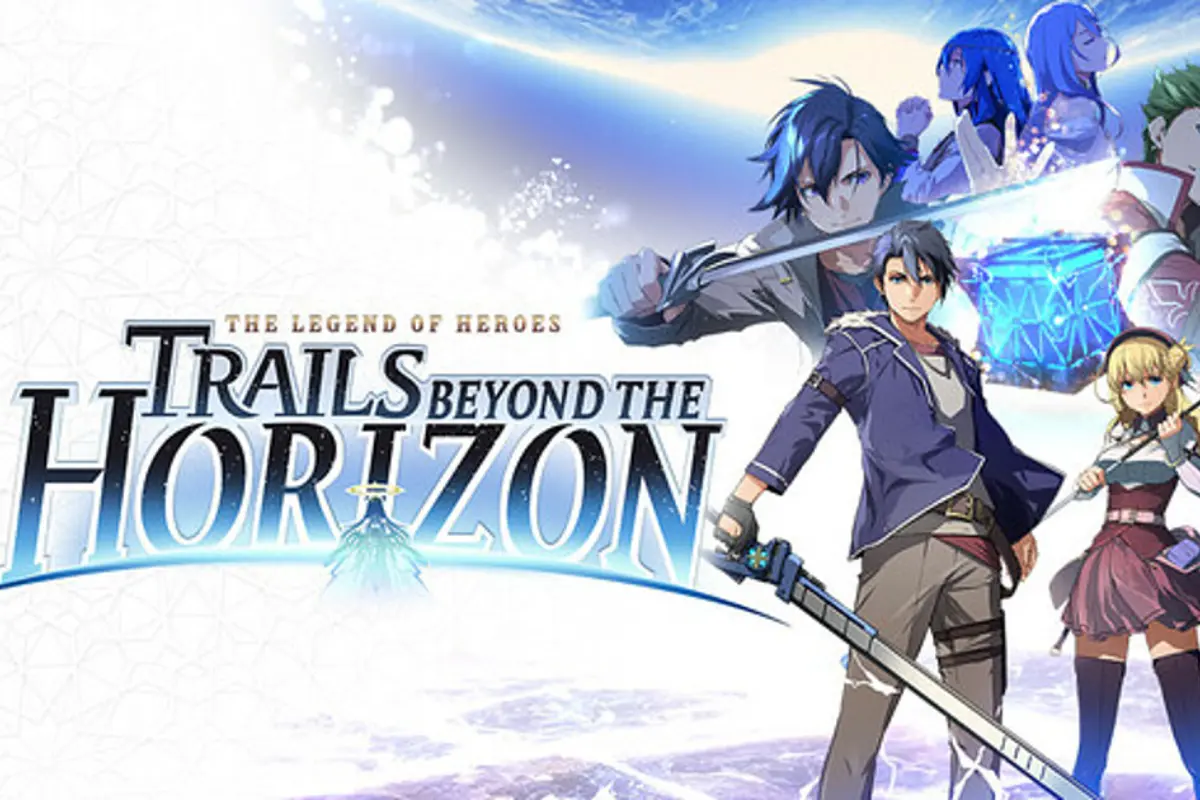
Let’s be real for a second. Most of us who grew up playing RPGs are used to the “Final Fantasy” formula. You jump into a world, save it from a god or a meteor, the credits roll, and that’s it. You move on to the next one, which has a completely different world, different rules, and a brand-new cast. It’s a clean break.
But then there’s The Legend of Heroes. Specifically, the Trails (or Kiseki) series was developed by Nihon Falcom.
If you haven’t heard of it, or if you’ve seen the titles on Steam or the PlayStation Store and felt intimidated by the sheer number of games, you aren’t alone. This series is the “One Piece” of gaming. It is a massive, sprawling, interconnected epic that has been running for over twenty years, and here is the kicker: it is all one single, continuous story.
The “World-Building” King
We use the term “world-building” a lot in gaming, but The Legend of Heroes takes it to a level that is honestly a bit borderline insane.
In most games, NPCs (non-playable characters) are just furniture. They stand in one spot, they say one line of dialogue, and they stay there until the game ends. In Trails, every single NPC has a name and a life. If you talk to a guy named Otto in the first town of Trails in the Sky, he might be complaining about his daughter’s grades. If you go back after a major plot point, he’s talking about how she’s studying harder. By the next game, she might have moved to a different city to start a job.
This creates a “living” world. You aren’t just a hero passing through; you are part of a society that is evolving. When a war breaks out in the plot, you don’t just see it in cutscenes; you see how it affects the price of bread at the local shop or how the town drunk is suddenly worried about his son in the army.
The Structure: The “Arcs” of Zemuria
The series takes place on the continent of Zemuria. Instead of jumping all over the place, the games are broken down into “arcs” that focus on different countries. This is why the series feels so grounded.
-
The Liberal Arc (Trails in the Sky): This is where the modern saga begins. You play as Estelle Bright, a girl training to be a “Bracer” (basically a licensed do-gooder/mercenary). It starts small, finding a lost cat and fixing a streetlamp, but eventually spirals into a massive political conspiracy.
-
The Crossbell Arc (Zero/Ao no Kiseki): These games take place in a tiny city-state trapped between two massive superpowers. You play as a police department squad trying to fight corruption. It feels like a gritty detective drama mixed with high fantasy.
-
The Erebonia Arc (Trails of Cold Steel): This is the “big” one. It’s set in a massive, militaristic empire and follows a class of students at a military academy. It’s heavy on politics, giant robots (mechs), and social classes.
-
The Calvard Arc (Trails through Daybreak): The most recent entry. It’s set in a diverse, tech-heavy republic and follows a “fixer” who works in the grey areas of the law.
The magic happens when characters from the first arc show up in the third arc. When a character you spent 80 hours with ten years ago walks onto the screen in a new game to help your new party, the hype is unreal. It’s like the “Avengers: Endgame” moment, but it happens constantly.
The Combat: Deep but Not Frustrating
Let’s talk gameplay. The Legend of Heroes uses a turn-based system, but it’s very tactical. It’s all about positioning. You can move your characters around the battlefield to avoid “area of effect” spells or to line up a perfect shot.
The “Orbment” system is where the real nerding out happens. You get these devices where you slot in “Quartz” (magical gems) to gain stats and spells. It’s incredibly customizable. You can turn your main physical attacker into a fast-moving dodge tank or turn your healer into a glass-cannon nuke. As the games progress from the 2D era into 3D, the combat gets faster and flashier, but it never loses that tactical core.
The “Falcom” Sound
You can’t talk about this series without mentioning the music. Nihon Falcom has an in-house band called the Sound Team jdk. These guys are legends. They don’t just make “background music”; they make anthems. Whether it’s a jazzy saxophone track while you’re walking through a rainy city or a heavy metal violin track during a boss fight, the music carries the emotion of the game. Fans often joke that they buy the soundtracks, and the 100-hour RPG just comes as a free bonus.
“I don’t have 1,000 hours. Can I still play?”
This is the big question. If you look at the “proper” play order, you’re looking at over 10 games. That is a lot of commitment.
The truth is, you don’t have to start from the very beginning in 2004. Each arc is designed to be a fresh starting point. You can jump in at Trails of Cold Steel I’m on the new trails through Daybreak and understand 90% of what’s going on. The developers are smart; they’ll give you enough context to follow the story.
However, the reason people tell you to “start from the beginning” isn’t because they want to torture you; it’s because the payoff is so much better. It’s the difference between watching a highlight reel of a movie and watching the whole trilogy.
Why does it feel different from other games?
There is a certain “warmth” to The Legend of Heroes. Despite the world-ending stakes and the heavy political themes, the games are fundamentally about people. They’re about friendship, growing up, and finding your place in a world that’s changing too fast.
The protagonists aren’t usually “chosen ones” born with a destiny. They’re usually just kids or young adults trying their best. Estelle Bright is one of the most beloved protagonists in gaming history because she’s not a perfect hero; she’s loud, she’s a bit of a tomboy, she’s fiercely loyal, and she grows tremendously over the course of three games.
Final Thoughts
The Legend of Heroes is a commitment. It’s a slow burn. It’s a game where you’ll spend three hours just talking to townspeople because you’re genuinely interested in how the local bakery is doing.
In an era where games are trying to be shorter, punchier, and full of microtransactions, there is something incredibly refreshing about a series that just wants to tell you a really, really long, high-quality story. It treats its players like they have an attention span. It rewards you for remembering a name from five games ago.
If you’re tired of the same old “save the world” tropes, and you want a world that feels like a second home, pick up one of these games. Start with Sky if you like the classics, or Daybreak if you want something modern. Just be warned: once you step into the world of Zemuria, you probably won’t want to leave.
Avowed Full Game Play, How Long Is This and System Requirements