How to Play Death Howl Game: Gameplay, Features, and More

Death Howl is a dark, atmospheric indie game that mixes strategy, survival, and emotional storytelling. It stands out because it does not rush the player. Instead, it slowly builds tension and challenge through careful gameplay design. The game focuses on making smart decisions, learning from failure, and understanding its systems step by step.
Many players compare Death Howl to modern roguelike and strategy games, but it has its own identity. The game rewards patience, planning, and observation rather than fast reactions. Below is a complete and true-information-based guide explaining how to play Death Howl, its gameplay style, and its key features, written in simple and local words.
Core Gameplay and How Death Howl Is Played
Death Howl is played from a top-down and tactical perspective, where every move matters. The player controls a lone character moving through dangerous areas filled with enemies, traps, and limited resources. The goal is survival and progress, not speed.
At the start, players are introduced to basic movement and combat mechanics. You must carefully position your character, avoid unnecessary fights, and choose when to engage enemies. Combat is strategic rather than button-mashing. Attacking blindly often leads to quick defeat.

One of the key gameplay ideas in Death Howl is learning through failure. When you die, you restart, but you also gain knowledge. You begin to understand enemy behavior, map patterns, and better ways to manage resources. This loop is intentional and forms the heart of the game.
Progression is slow but meaningful. As you move forward, new abilities, paths, and challenges appear. The game does not explain everything clearly on purpose. It encourages players to explore, experiment, and adapt.
Environmental awareness is very important. Some areas are safer than others, and rushing into unknown zones can be deadly. Players must read the environment, notice visual hints, and plan routes carefully.
Combat System, Enemies, and Survival Mechanics
Combat in Death Howl is tense and unforgiving. Enemies are strong, and even small mistakes can cost you your run. You cannot rely only on attacking. Defense, positioning, and timing are equally important.
Enemies behave differently depending on type and location. Some are aggressive and chase the player, while others wait and punish careless movement. Learning enemy patterns is necessary to survive longer runs.
The game limits resources like health recovery, special abilities, and safe zones. You must decide when to heal, when to retreat, and when to push forward. This creates constant pressure and makes every decision feel important.
Survival mechanics go beyond fighting. Managing stamina, avoiding traps, and choosing safe paths all play a role. Some paths offer better rewards but come with higher risks. Others are safer but slower.
Death Howl does not hold the player’s hand. There are no easy modes that remove challenge completely. Instead, it teaches through repetition and careful observation. This design makes the game difficult but fair.
Features, Atmosphere, and What Makes Death Howl Unique
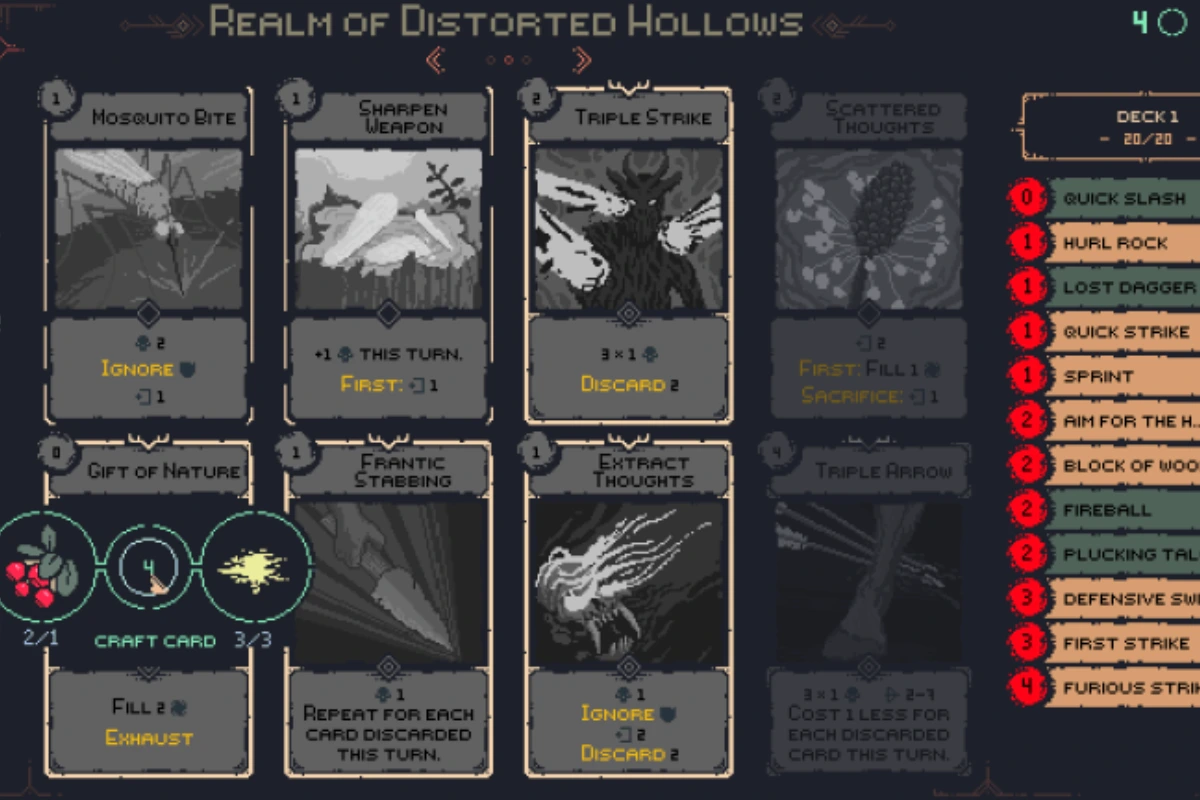
One of the strongest features of Death Howl is its atmosphere. The game uses dark visuals, muted colors, and haunting sound design to create an emotional experience. The world feels lonely, dangerous, and heavy, which matches the game’s themes.
The audio design plays a big role. Subtle background sounds, enemy noises, and silence are used to build tension. Music is not always present, which makes dangerous moments feel even more intense.
Visually, the game focuses on clarity rather than flashy effects. Enemies, traps, and environments are easy to read, which helps during difficult moments. The art style supports gameplay instead of distracting from it.
Another important feature is replay value. Because of its roguelike structure, no two runs feel the same. Map layouts, enemy placement, and available resources change, forcing players to adapt each time.
Death Howl also respects player intelligence. It avoids long tutorials and unnecessary text. Instead, it allows players to discover mechanics naturally. This makes success feel earned and personal.
The game is best enjoyed by players who like slow, thoughtful gameplay and do not mind failing multiple times before improving. It is not designed for casual or quick play sessions but for focused and immersive experiences.
Death Howl is a game that demands attention and patience. It challenges players mentally more than mechanically and rewards those who take the time to learn its systems. By understanding its gameplay loop, combat design, and survival-focused features, players can fully appreciate what Death Howl is trying to deliver.