
Hedda movie Reviews: A Bold, Sensual, and Uncomfortable Reimagining of a Classic
Some films entertain you. Others stay with you long after the screen goes dark. Hedda belongs to the second kind. This modern adaptation of a classic literary work does not try to please everyone. Instead, it challenges the viewer, makes you uncomfortable at times, and forces you to think about power, desire, control, and identity.
In this review, we take a deep look at Hedda, what critics and viewers are saying, and why this film is being discussed as one of the more daring and thoughtful adaptations in recent years.
What Is Hedda About?
Hedda is a modern reinterpretation of Henrik Ibsen’s famous play Hedda Gabler. The story focuses on a woman trapped not by physical walls, but by expectations, power structures, and her own inner conflicts.
In this version, the filmmakers bring Hedda into a more contemporary emotional and visual language. The themes remain familiar—control, boredom, manipulation, and longing—but the setting and tone feel more intimate and raw.
Rather than turning Hedda into a traditional villain or victim, the film presents her as complex, unpredictable, and deeply human.
Performances That Carry the Film
One of the strongest points in nearly all Hedda reviews is the acting.
Tessa Thompson’s portrayal of Hedda has been widely praised for its intensity and restraint. She does not play Hedda as loudly or dramatically. Instead, her performance is controlled, sensual, and often quiet. A look, a pause, or a small gesture often says more than dialogue.
Nina Hoss brings a strong emotional counterweight to the film. Her presence adds depth and tension, especially in scenes where power subtly shifts between characters. Many critics note that the chemistry between the lead actors is one of the film’s biggest strengths.
Overall, the performances feel deliberate and layered, encouraging the viewer to pay close attention.
Direction and Visual Style
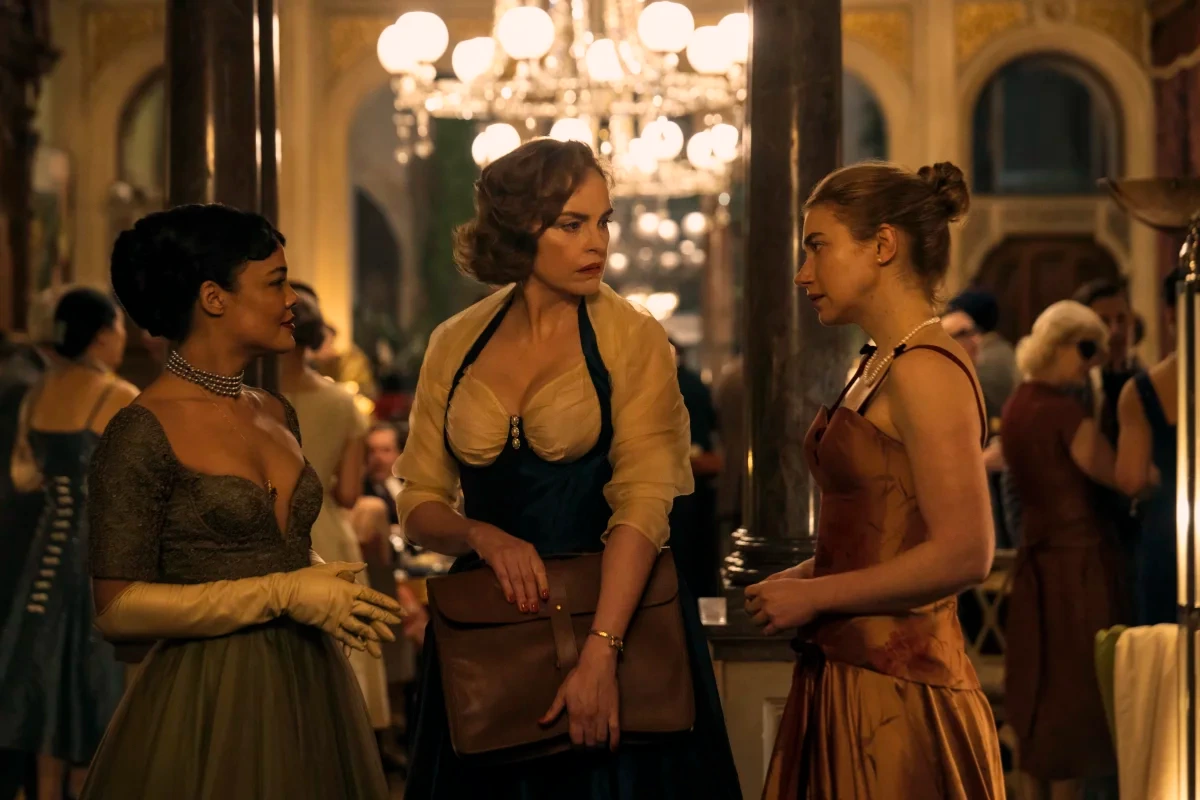
The direction of Hedda is minimalist but purposeful. The camera often stays close to the characters, creating a feeling of emotional pressure. Rooms feel tight. Silence feels loud. This visual style reflects Hedda’s inner world.
Lighting is soft but shadowed, giving the film a sensual yet uneasy atmosphere. Nothing feels accidental. Each frame seems designed to communicate mood rather than spectacle.
Several reviewers have pointed out that the film feels more like a psychological experience than a traditional drama, and that appears to be an intentional choice.
A Sensual but Not Comfortable Film
One reason Hedda reviews are so divided is the film’s sensual tone. The sensuality here is not romantic or comforting. It is often tied to power, control, and emotional manipulation.
This makes the film feel intense and, at times, unsettling. Some viewers appreciate this honesty, while others find it difficult to watch. But even critics who dislike the approach often agree that it serves the story’s themes.
The film does not use sensuality for shock value. Instead, it uses it to explore how desire and control can exist together in complex ways.
Faithful Yet Fearless Adaptation
Adapting a literary classic is always risky. Stay too close, and the film can feel outdated. Change too much, and fans of the original may feel betrayed.
Hedda walks a careful line. The core ideas of Ibsen’s work remain intact, but the storytelling language is modern. Dialogue feels natural. Emotions feel current. Social expectations are shown through subtle power dynamics rather than strict Victorian rules.
Many critics appreciate that the film respects the original without being trapped by it.
What Critics Are Saying
Professional reviews of Hedda are generally thoughtful and mixed-to-positive.
Praise often focuses on:
-
Strong lead performances
-
Intelligent direction
-
Emotional depth
-
Willingness to take creative risks
Some criticism points to:
-
Slow pacing
-
Heavy psychological tone
-
Limited appeal for mainstream audiences
However, even less enthusiastic reviews acknowledge that Hedda is not a lazy or shallow film. It demands patience and attention, which can be refreshing in today’s fast-content world.
Audience Reactions
Audience reactions reflect a similar split.
Viewers who enjoy arthouse cinema, character-driven stories, and psychological drama often respond very positively. They appreciate the film’s mood, subtlety, and emotional honesty.
Viewers expecting a fast-moving plot or clear moral answers sometimes feel frustrated. Hedda does not explain itself. It invites interpretation rather than giving conclusions.
This difference in expectation is why Hedda generates discussion rather than simple approval or rejection.
Themes That Make Hedda Relevant Today
One reason Hedda feels meaningful today is its themes.
The film explores:
-
The pressure of societal roles
-
The fear of emotional emptiness
-
Power within personal relationships
-
The struggle between freedom and security
These themes resonate strongly in modern life, especially in conversations around identity, autonomy, and emotional agency.
Hedda is not presented as a role model or a warning. She is presented as a mirror, sometimes uncomfortable, sometimes familiar.
Is Hedda Worth Watching?
If you enjoy films that:
-
Focus on character psychology
-
Take creative risks
-
Leave room for interpretation
-
Prioritize mood and meaning over action
Then Hedda is absolutely worth watching.
If you prefer clear storytelling, fast pacing, and easy answers, this film may not be for you. But even then, it offers performances and ideas that are hard to ignore.
Final Verdict on Hedda Reviews
Hedda is not a film designed for mass appeal. It is thoughtful, intimate, and occasionally challenging. That is also its strength.
Most Hedda reviews agree on one thing: this film takes a classic story and makes it feel emotionally alive again. It invites conversation, reflection, and disagreement, and that is often the sign of meaningful cinema.
For viewers willing to engage deeply, Hedda offers a powerful and memorable experience