Google Aura Glasses: Release Date, Price and More – Everything We Know So Far
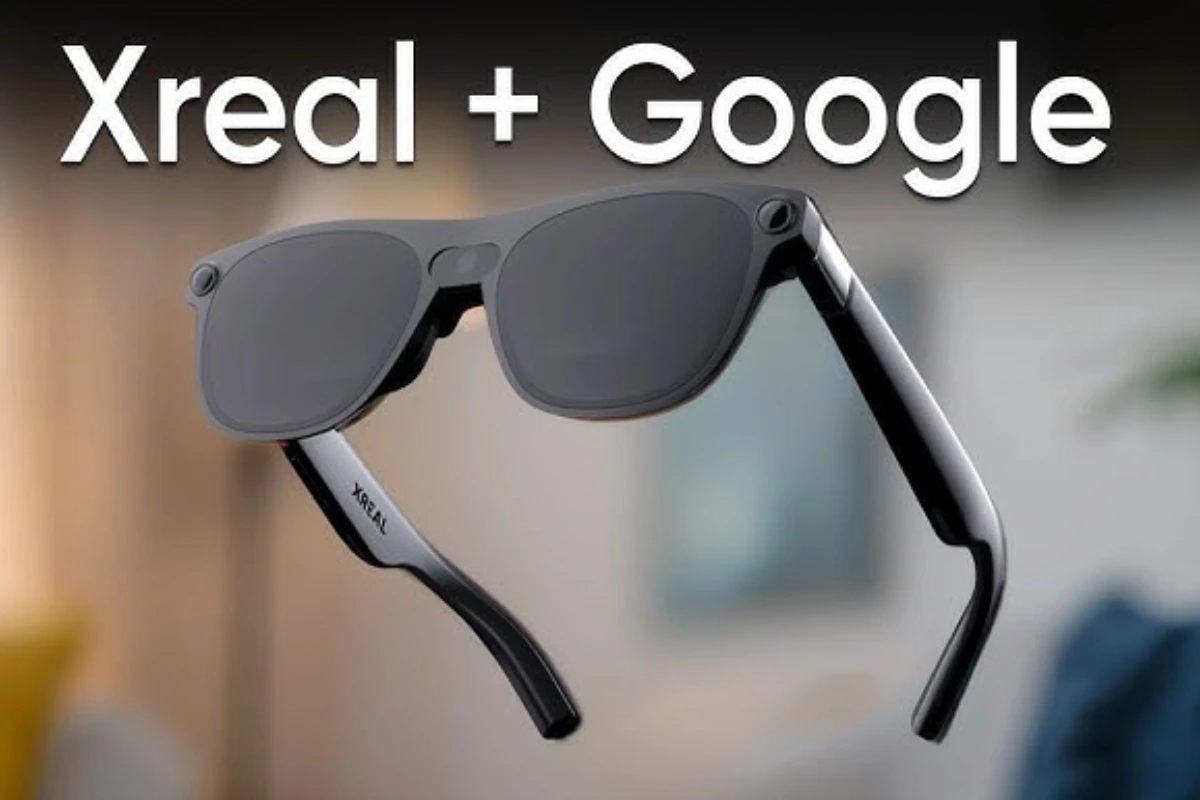
Google is working on its next big wearable project called Google Aura, a new platform focused on XR headsets and smart glasses powered by Android and AI. Even though Google has not released a full product yet, new reports and leaks show that the company is preparing a major comeback in the smart-glasses space after earlier attempts like Google Glass and Project Iris.
Aura is not just hardware. It is a complete software platform designed to support future XR devices and AI-powered glasses. Google wants Android to run smoothly on these new wearables, making them useful for hands-free information, navigation, communication, and everyday tasks.
What Are Google Aura Glasses?
Google Aura is a software and hardware initiative. The Verge reports that “Aura” replaces older Google projects like Project Iris and is now the main focus for Google’s XR vision. The platform aims to bring Android, AI, and visual computing into one ecosystem designed for new wearable devices.
The project includes two main areas:
-
Android XR software for headsets and glasses
-
AI-powered smart glasses that process real-time information
The goal is similar to what Apple and Meta are doing: building wearable devices that blend digital tools with the physical world.
Google previously showed prototypes of smart glasses that could translate speech live and display text in front of your eyes. Aura seems to build on this idea with updated technology and better AI integration.
Release Date—When Will Aura Glasses Launch?
Google has not officially announced a release date for Aura glasses. According to the information from The Verge, Aura is still in active development, and Google is working on early prototypes and testing the Android XR platform.
Industry experts expect:
-
A developer preview of Android XR could come in 2025
-
A consumer version of Aura glasses may appear after 2025, depending on progress
-
Google may show early hardware at a future Google I/O event
Since Google cancelled several previous AR projects, the company is being more careful and slow with Aura. This means the timeline is flexible, but development is clearly moving forward based on hiring activity and internal reports.
Expected Price—How Much Will Aura Cost?
There is no confirmed price yet for Google Aura glasses. However, based on the market and similar competing XR products, expected pricing could fall into these rough categories:
-
Basic AI-assisted glasses: $300–$600
-
Advanced XR glasses with displays: $700–$1200
-
Full-featured mixed reality headsets: $1000+
Google’s pricing will depend on the final product. If the focus is lightweight smart glasses, the cost stays lower. If Google aims for a competitor to Apple Vision Pro or Meta Quest, the price will increase.
For now, Google has not shared any pricing details, so these estimates are based on industry trends only.
Lenovo IdeaPad Slim 5 16 Laptop Review – A Smart Choice for Everyday Users
Nikon ZR Review: Full Breakdown of Features That Make It Unique
Features and Technology—What Aura Might Offer
The Aura platform is built around XR and AI. This means Google wants the glasses to support real-time visual understanding, translation, and digital overlays.
Expected features based on leaks and official demos include:
AI Assistance
Aura glasses may use Google Gemini or similar AI models to give users instant answers, translations, or visual information.
Live Translation
One of the earliest demos showed real-time subtitles appearing inside the glasses while someone speaks.
Android XR Support
Aura runs on a new version of Android built specifically for wearable displays.
Hands-Free Navigation
Walking directions or maps may appear inside the glasses.
Camera Processing
AI may analyze what you see and give suggestions or context.
Lightweight Build
Google seems focused on glasses that feel natural and are easy to wear all day.
These features make Aura a direct competitor to Meta smart glasses and future Apple AR products.
Gameplay, Apps, and Ecosystem Possibilities
Since Aura is linked to Android XR, it will likely support:
-
Fitness and activity apps
-
Communication tools using AR overlays
-
Voice-controlled AI apps
-
Navigation and travel support
-
Productivity tools such as notes or reminders
Games are also possible, but Google may focus more on utility and real-world assistance than entertainment in the early stages.
Developers will play a big role, because Android XR opens the door for creating custom apps for glasses, similar to how apps were built for phones and smartwatches.
Design and Comfort Expectations
While Google has not revealed the final design, previous AR prototypes from Google show a preference for:
-
A lightweight glasses-style frame
-
Transparent lenses rather than bulky screens
-
Minimalistic touch controls
-
Subtle speakers for audio feedback
The goal is to look more like normal glasses instead of a heavy headset.
Aura glasses are expected to feel natural enough for daily use, like commuting, working, or travelling.
Should You Wait for Google Aura?
If you like wearable technology and AI tools, Aura could be a major product to watch. Google is working on something big and long-term, especially since the company wants Android to become a leader in XR technology.
You should consider waiting if:
-
You want lightweight AI glasses instead of bulky headsets
-
You trust Google’s ecosystem of apps
-
You want real-time translation or hands-free assistance
But if you want XR today, Meta Quest 3 and Apple Vision Pro are already available, while Aura is still far from release.