BAU: Artist at War Review – A Powerful Look at Art, Resistance and Survival
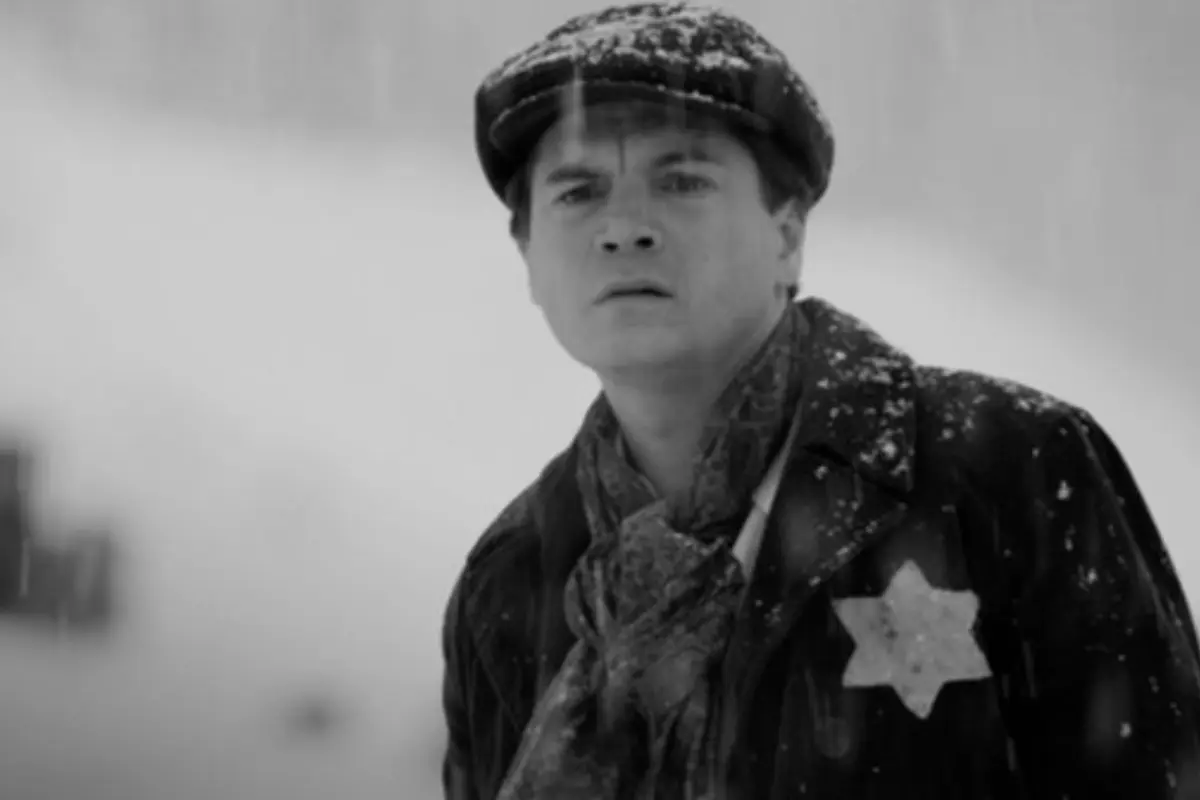
BAU: Artist at War is a documentary-style film that explores the life of artist Boris Lurie, a Holocaust survivor whose work became deeply shaped by the brutality he witnessed during World War II. The film blends art, trauma, and history, showing how Lurie turned personal suffering into powerful creative expression. This review gives a complete breakdown of the film’s themes, structure, and impact.
Story Overview
The documentary follows Boris Lurie’s journey from childhood in Latvia through the horrors of Nazi concentration camps and finally to his life as an artist in New York. Instead of focusing only on survival, the film explores how Lurie processed memory, loss, and trauma through his artwork.
The narrative connects historical footage, photographs, and interviews with people who understood Lurie’s art and activism. The film presents his life not as a simple biography but as a layered portrait of a man trying to express what cannot be forgotten.
Artistic Focus and Visual Style
One of the strongest elements of BAU: Artist at War is the way it presents Lurie’s artwork. His collages, paintings, and mixed-media pieces appear throughout the film, each carrying political weight and emotional intensity. Many are bold, unsettling, and deliberately confrontational.
The documentary uses a clean editing style. Historical images blend with modern interviews, creating a smooth transition between past and present. The pacing is steady, allowing viewers to absorb the emotional weight of Lurie’s experiences and understand how they shaped his artistic choices.
Themes and Emotional Impact
The film highlights several core themes:
Memory that cannot fade
Art as a form of resistance
The emotional cost of survival
Political expression in post-war America
These themes give the film depth and historical importance. BAU: Artist at War does not try to soften the events. It presents the brutality directly, through both visuals and storytelling. The emotional impact grows gradually as the documentary shows how Lurie never escaped the shadow of war, even decades later.
Performances and Interviews
The film does not rely on actors; instead, it uses interviews with historians, curators, friends, and people who studied Lurie’s work. Their commentary helps explain the meaning behind his art and the circumstances that shaped it. Voices in the documentary are calm, informative, and focused on historical accuracy.
The Tale of Silyan Review and Where to Watch: Full Breakdown
One Battle After Another: Full Movie Review and Real Viewer Reactions
Archival video and audio recordings of Boris Lurie also appear, providing personal insight into his worldview. These moments create a direct connection to the artist, helping viewers understand the intensity behind his creative expression.
Historical Accuracy and Research Depth
BAU: Artist at War is grounded in real historical documentation. It uses authentic wartime records, survivor accounts, and preserved artwork. Lurie’s life is presented with accuracy and context, making the documentary valuable for viewers who appreciate fact-based storytelling.
The film also examines the political art movement of post-war New York, giving viewers a broader picture of where Lurie fit into the art world.
Who Should Watch It
This documentary is ideal for viewers interested in:
Holocaust history
Political and protest art
Biographical documentaries
Emotional real-world stories about survival and expression
The film is not meant to entertain. It is meant to inform, confront, and honor memories of a dark period in history. Viewers who appreciate deeper historical storytelling will find the film especially meaningful.
Final Thoughts
BAU: Artist at War is a powerful and important documentary that combines history, art, and personal trauma into a meaningful narrative. It respects the truth of Boris Lurie’s experiences while presenting his artwork with clarity and purpose. The film stands out for its historical accuracy, emotional weight, and strong visual structure.
It is a significant watch for anyone interested in how art can rise from the harshest memories and become a voice against violence and injustice.