
Dogpile Search Engine Review: How It Works and Is It Still Useful?
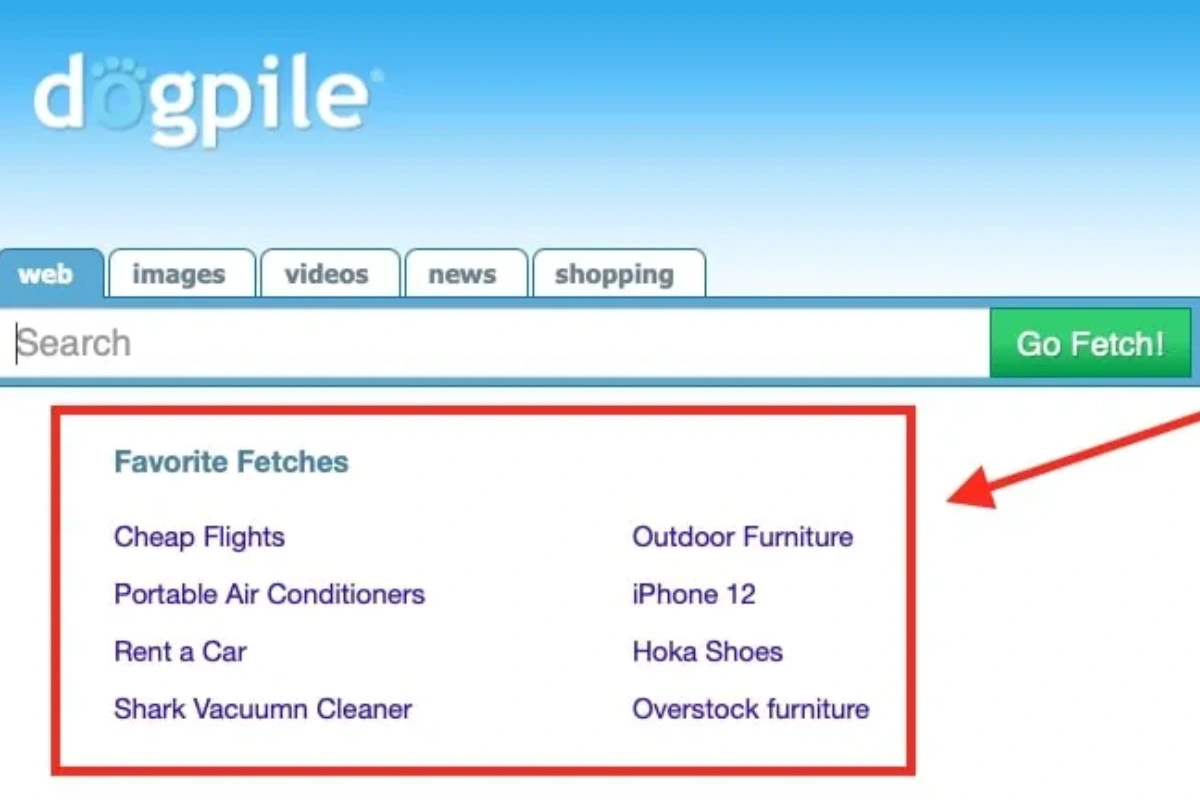
Dogpile is a search engine that has been around for many years, but many internet users still do not fully understand what makes it different. In a world dominated by Google and Bing, Dogpile follows a slightly different approach by focusing on combined results instead of relying on a single source. This review explains what Dogpile is, how it works, and whether it is still useful today, using simple and local wording.
This post is fully based on real and publicly available information and written in a way that is easy to understand for regular users.
What Is Dogpile and How It Works
Dogpile is a metasearch engine. This means it does not crawl the web on its own like Google does. Instead, it collects search results from multiple major search engines and shows them on one page. In the past, Dogpile has pulled results from sources like Google, Yahoo, and Bing, depending on availability and agreements.
When a user types a query into Dogpile, the engine sends that query to its partner search engines. It then removes duplicate results and ranks them based on relevance. The goal is to save users time by giving a broader view of the internet without needing to search on multiple platforms separately.
Dogpile is owned by System1, a digital marketing company that operates several search and advertising platforms. The search engine is free to use and supported mainly through ads shown alongside search results.
User Experience, Features, and Search Quality
The Dogpile interface is simple and old-school compared to modern search engines. The homepage focuses mainly on the search bar, with minimal distractions. For users who prefer a clean and straightforward layout, this can be a positive point.
Search results are displayed in a standard list format, with sponsored ads clearly marked. Dogpile also offers tabs for images, videos, and news, though these sections rely on external sources rather than original indexing.
In terms of search quality, Dogpile works best for general information and broad topics. Because it combines results, users may sometimes see a wider variety of sources than on a single search engine. However, it may not always provide the most up-to-date or deeply ranked results for very specific or technical searches.
One limitation is customization. Dogpile does not offer advanced personalization, search history tools, or deep filters like Google. For some users, this is a downside. For others, it feels more neutral and less intrusive.
Also Read:
Pros, Cons, and Who Should Use Dogpile
Dogpile’s biggest strength is its combined search approach. It can be useful for users who want to compare information from multiple sources quickly. It is also simple to use and does not require an account.
However, Dogpile does rely heavily on ads, and sponsored results can sometimes take up noticeable space. The search engine also lacks modern features such as AI summaries, smart suggestions, and advanced local search tools.
Dogpile is best suited for casual users, students doing basic research, or people who want a second opinion beyond Google. It may not replace primary search engines for professionals, but it can work well as a backup or comparison tool.
Final Verdict
Dogpile is not trying to compete directly with Google in terms of technology or features. Instead, it offers a different way to search by combining results from multiple engines into one page. This approach still has value, especially for users who want broader perspectives or simple searches without complexity.
While it may feel outdated compared to modern search engines, Dogpile remains functional and reliable for everyday searches. For users who want an alternative search experience without switching between multiple platforms, Dogpile is still worth trying.
Also Read: