
What Is Watercolor Paint, and How to Use It
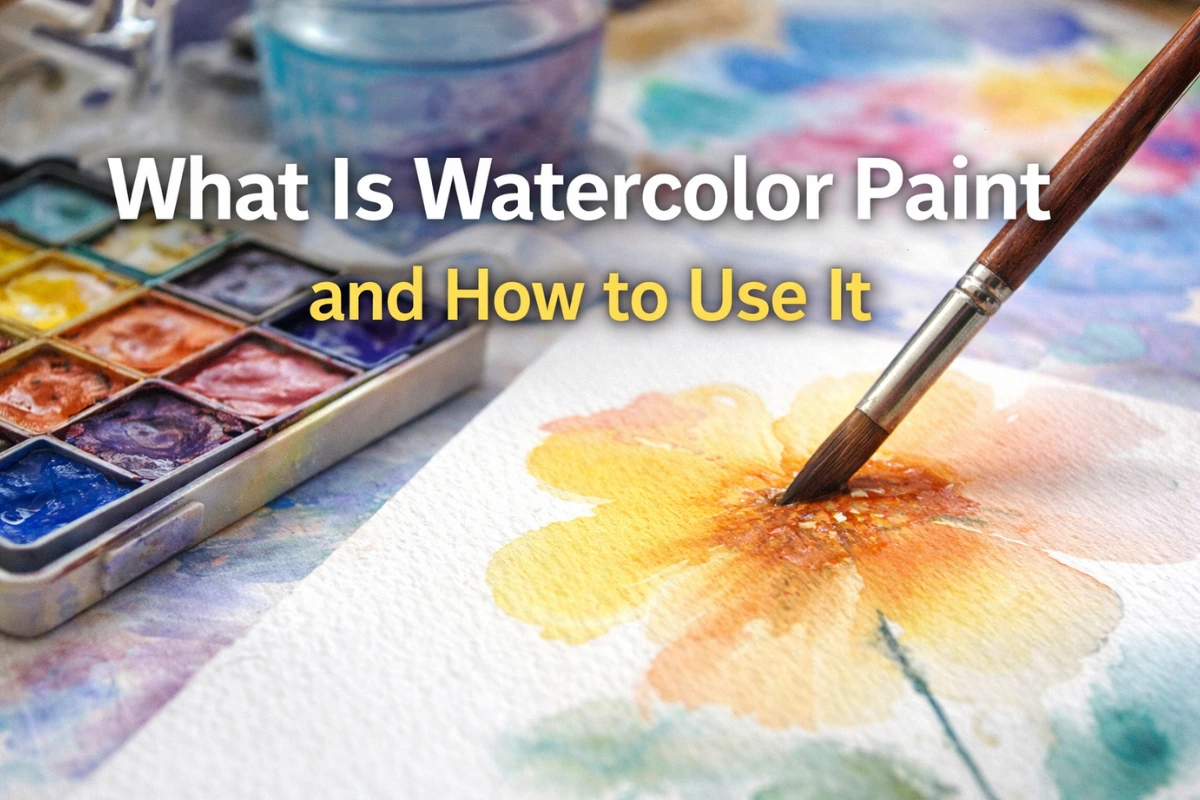
Watercolor paint is one of the oldest and most loved painting mediums in the world. It is known for its soft colors, transparent layers, and natural flow on paper. Artists, students, and beginners often choose watercolor because it feels simple, affordable, and expressive at the same time.
Unlike heavy paints like oil or acrylic, watercolor works with water as its main tool. The more water you add, the lighter and softer the color becomes. This quality makes watercolor perfect for landscapes, florals, portraits, and loose artistic styles.
What Exactly Is Watercolor Paint
Watercolor paint is made by mixing pigment with a water-soluble binder, usually gum arabic. When water is added, the pigment spreads easily across paper, creating transparent color layers.
The paint comes in different forms, such as pans, tubes, and liquid watercolor. All types work the same way once water is added. The main difference is convenience and how strong the color feels when applied.
Because watercolor is transparent, the white of the paper plays a big role in how the painting looks. This is why watercolor paper quality matters a lot.
Basic Materials Needed for Watercolor Painting
To start watercolor painting, you do not need expensive tools. Simple supplies are enough to learn and practice.
The most important materials include watercolor paint, watercolor paper, brushes, clean water, and a mixing palette. Watercolor paper is thicker than normal paper and absorbs water properly.
Brushes made with soft bristles work best because they hold water well. Round brushes are commonly used because they can create both thin lines and broad strokes.
How Watercolor Paint Works on Paper
Watercolor paint reacts differently depending on how wet the paper is. On dry paper, the paint stays more controlled and sharp. On wet paper, the color spreads freely and creates soft edges.
This behavior is what makes watercolor special. Artists often let the paint flow naturally instead of forcing it. The paint blends with water, not with pressure.
Once the watercolor dries, it becomes lighter than it looked when wet. This is normal and important to understand while painting.
Basic Watercolor Techniques Beginners Should Know
Watercolor painting is built around a few basic techniques. Learning them helps beginners gain control and confidence.
Some commonly used techniques include:
-
Wet-on-dry painting for controlled shapes
-
Wet-on-wet painting for soft blending
-
Layering light colors first and darker colors later
These techniques allow artists to create depth and texture without heavy brushwork. Water does most of the work.
Step-by-Step: How to Use Watercolor Paint
First, prepare your paper by placing it flat on a table. Some artists lightly tape the edges to prevent curling when wet.
Next, dip your brush in clean water and pick up some paint. Test the color on scrap paper before applying it to your artwork.
Start with light washes and simple shapes. Let each layer dry before adding another layer. This prevents muddy colors and keeps the painting fresh.
Watercolor rewards patience. Rushing usually leads to overworking the paper.
Common Mistakes Beginners Make
Many beginners use too much paint and too little water. This makes watercolor look heavy and dull. Watercolor works best when it stays light and transparent.
Another mistake is trying to fix dried areas too much. Scrubbing the paper damages its surface and ruins the texture.
Not waiting for layers to dry is also common. Wet layers mixing unintentionally can create muddy colors instead of clean blends.
Why Watercolor Is Loved by Artists
Watercolor feels alive because it never behaves the same way twice. Each painting becomes unique, even with the same colors and tools.
It is also portable and easy to clean. Artists can paint outdoors or at home without strong smells or heavy equipment.
Watercolor teaches patience and observation. It helps artists learn to work with the medium instead of fighting it.
Wrap-Up
Watercolor paint is simple in theory but deep in practice. It allows artists to express mood, light, and emotion using water and pigment alone.
For beginners, watercolor is a gentle way to enter the world of painting. With practice and understanding, it becomes a powerful artistic tool that grows with the artist.